10 Small Habits That Make Every Hike Better
None of them cost a thing, and most of them we learned the hard way. Simple trail habits that turn a good day outside into a great one.

3 min read
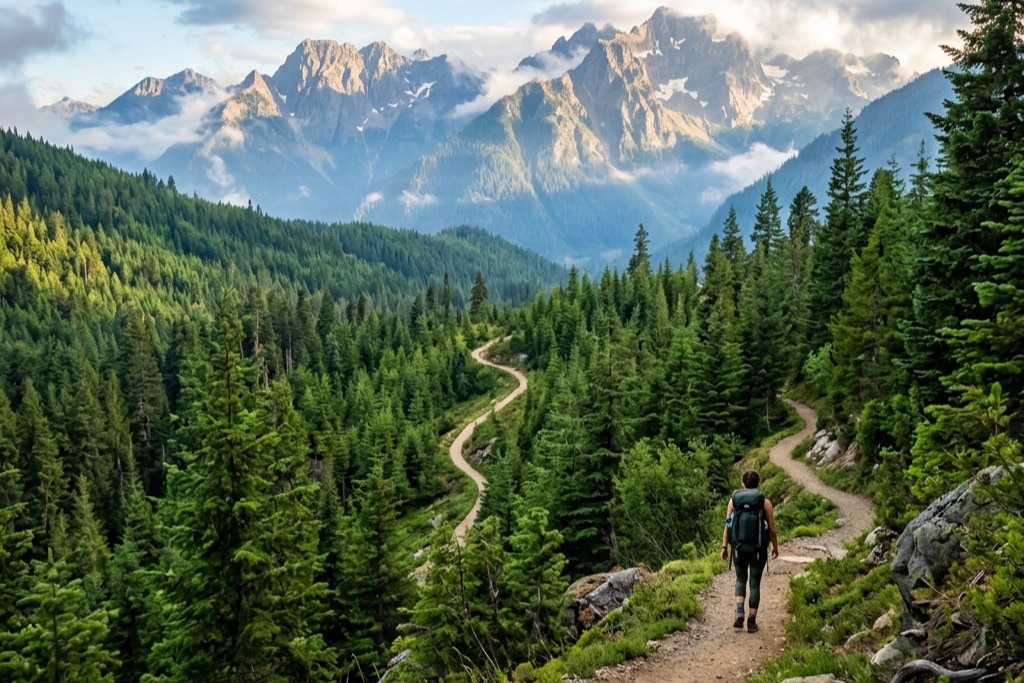
The best hikes rarely come down to expensive gear or a perfect forecast. They come down to small things: when you leave, what you eat, how you walk down a hill. Get them right and the day flows. Get them wrong and even a beautiful trail can feel like a slog.
Here are ten habits we keep coming back to. None of them cost a thing, and most of them we learned by getting it wrong first.
1. Start earlier than feels necessary
An early start buys you everything: cooler air, quieter trails, softer light and, most of all, time. In the mountains, afternoon storms often build after lunch, and the last hour of daylight disappears faster than you expect. Leaving an hour earlier is the cheapest insurance there is.
2. Pick a turnaround time, and keep it
Before you set off, decide on a time when you'll turn back, wherever you are. It feels unnecessary at the trailhead and invaluable at 3 p.m. on a ridge with the summit still "just over there." The summit will still be there next time. The point is to come home and want to go again.
3. Tell someone where you're going
Send a friend your route, where you're parking and when you expect to be back. It takes a minute, and it means that if something goes wrong, someone knows where to start looking. Message them again when you're out.
4. Eat before you're hungry, drink before you're thirsty
By the time you feel hungry or thirsty, you're already running low. Small, regular snacks keep your energy steady, and sipping water every so often beats gulping it all at the top. A handful of nuts every hour does more than a big lunch at the summit.
5. Download the map before you lose signal
Signal tends to vanish exactly when you need it. Save the map and route to your phone while you're still on wifi, put your phone in airplane mode to save battery, and carry a small power bank. A paper map in the bottom of your pack is still a great backup.
6. Be bold, start cold
If you're warm at the trailhead, you'll be overheating ten minutes in. Start slightly chilly, then add layers when you stop, not when you start shivering. Take a layer off before you begin to sweat, too: damp clothes get cold fast once you stop moving.
7. Take the downhill slowly
Going up is hard on your lungs. Coming down is hard on your knees, and it's where most slips happen. Shorten your stride, keep your knees soft and let poles take some of the load. Rushing the descent saves minutes and costs ankles.
The hike isn't over at the summit. It's over when you're back at the car, and the descent deserves the same attention as the climb.
8. Look back now and then
Turn around every so often. The view behind you is often the best one of the day, and you'll be seeing the trail the way it looks on the way home. That makes junctions much easier to recognise when you're tired and the light is fading.
9. Deal with hot spots immediately
That small rub on your heel is a blister in the making. Stop, take your boot off and tape it the moment you feel it. Five minutes now saves the last five kilometres from being miserable. Dry socks at lunch help too.
10. Leave it better than you found it
Pack out everything you bring in, including fruit peels and tissue. Stay on the trail so the edges don't erode, and leave the flowers and stones where they are. If you see a piece of litter, pick it up. Trails stay beautiful because the people who use them look after them.
The habit behind all the habits
Every one of these comes back to the same idea: give yourself margin. More time, more water, more battery, more patience on the way down. Margin is what turns a near-miss into a story and a long day into a good one.
Got a trail habit of your own? Share it in the responses below. We're always learning, and the best tips usually come from someone who's walked further than we have.
Where to next?
- Find your next hike: explore destinations around the world, from easy forest loops to big mountain days.
- Share a trail you love: publish your trail and help the next hiker find it.
Written by TrailX
Hikers, riders and drivers mapping the world's trails, and sharing what we learn along the way.
Responses